Mobile account access
Mobile devices are convenient for routine checks and signing, but they also require a strong lock screen, current software and verified app sources. Convenience should not lower security standards.

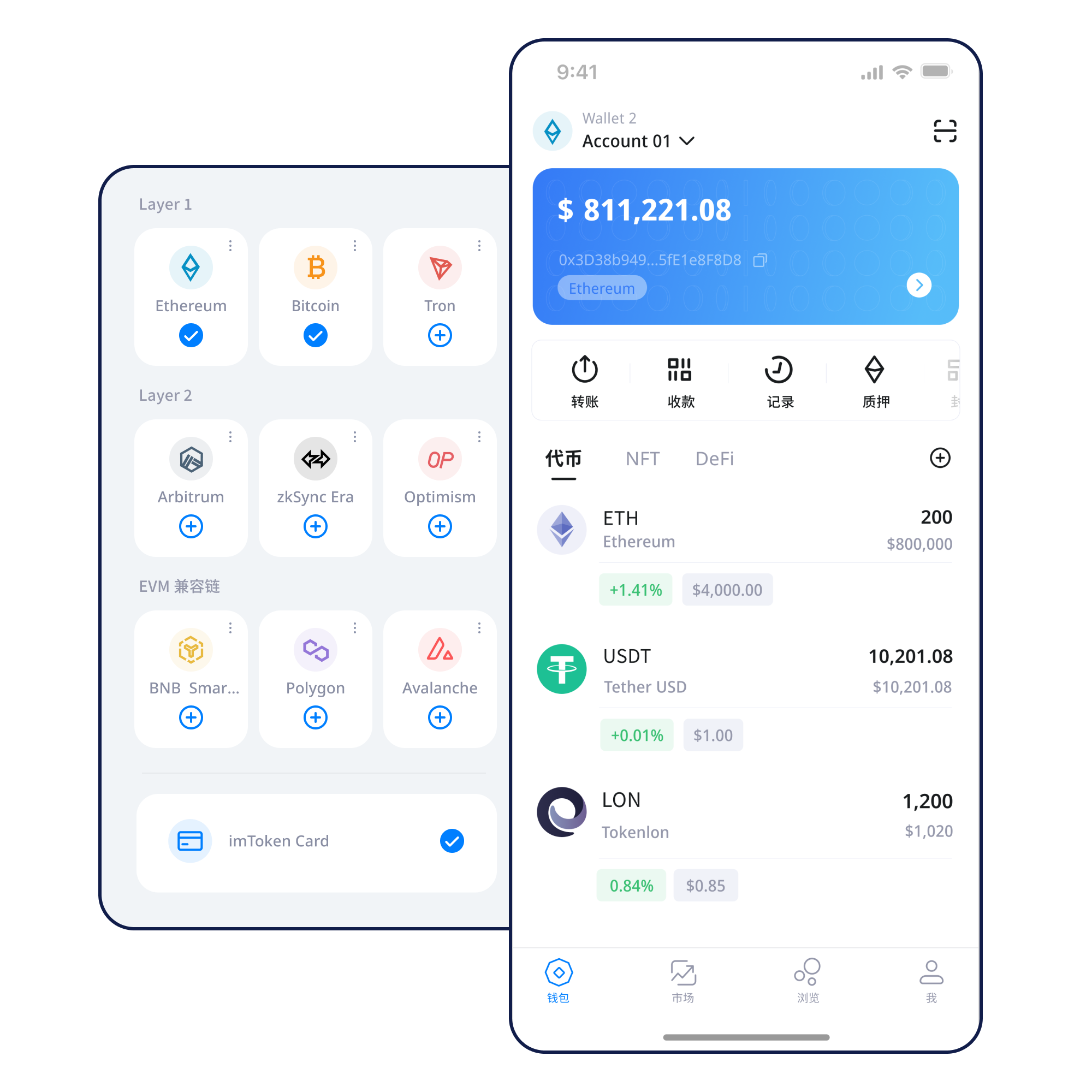
The imtoken App is designed around mobile wallet tasks: account access, network switching, asset views, transaction history and clear confirmation during DApp interactions.
Mobile devices are convenient for routine checks and signing, but they also require a strong lock screen, current software and verified app sources. Convenience should not lower security standards.
Asset lists must be interpreted in network context. If a token is missing, verify the selected network, token contract and on-chain balance before assuming the asset is unavailable.
In-app history is useful, while a transaction hash is the key index into public blockchain data. When status appears inconsistent, verify it with a block explorer for the correct network.
After connecting to a DApp, review each signature and approval separately. A successful connection does not make later requests trustworthy, and disconnecting does not necessarily revoke token approvals.
A repeatable order of checks is more reliable than memory. Review source, network, account, target and expected outcome each time so the same safety logic carries across wallets and DApps.
Mobile wallet use often combines scanning, copying an address, switching networks, and opening DApps in quick succession. Keep a deliberate verification point between those actions. Confirm the application source when installing or updating, keep the operating system and browser current, and compare copied addresses again before submission so an unexpected clipboard change is easier to catch.
Screen sharing, remote-control tools, cloud photo libraries, and messaging apps can expose information beyond the wallet itself. Do not transmit seed phrases, private keys, or verification codes through screenshots, chat, or remote assistance. After a DApp session, review connections and approvals you no longer need, and retain the transaction hash when you may need to verify the final on-chain result later.
Seed phrases and private keys remain under the user’s control. Legitimate support should not ask for a seed phrase, private key or verification code. Review address, network and amount before transferring; blockchain transactions generally cannot be unilaterally reversed by a wallet. Third-party DApps and smart contracts carry risk, so review spender and permission scope and consider revoking unused approvals.
Use the unified download entry and review every network and permission request.